The Paradox of Limitless Virtual Geometry
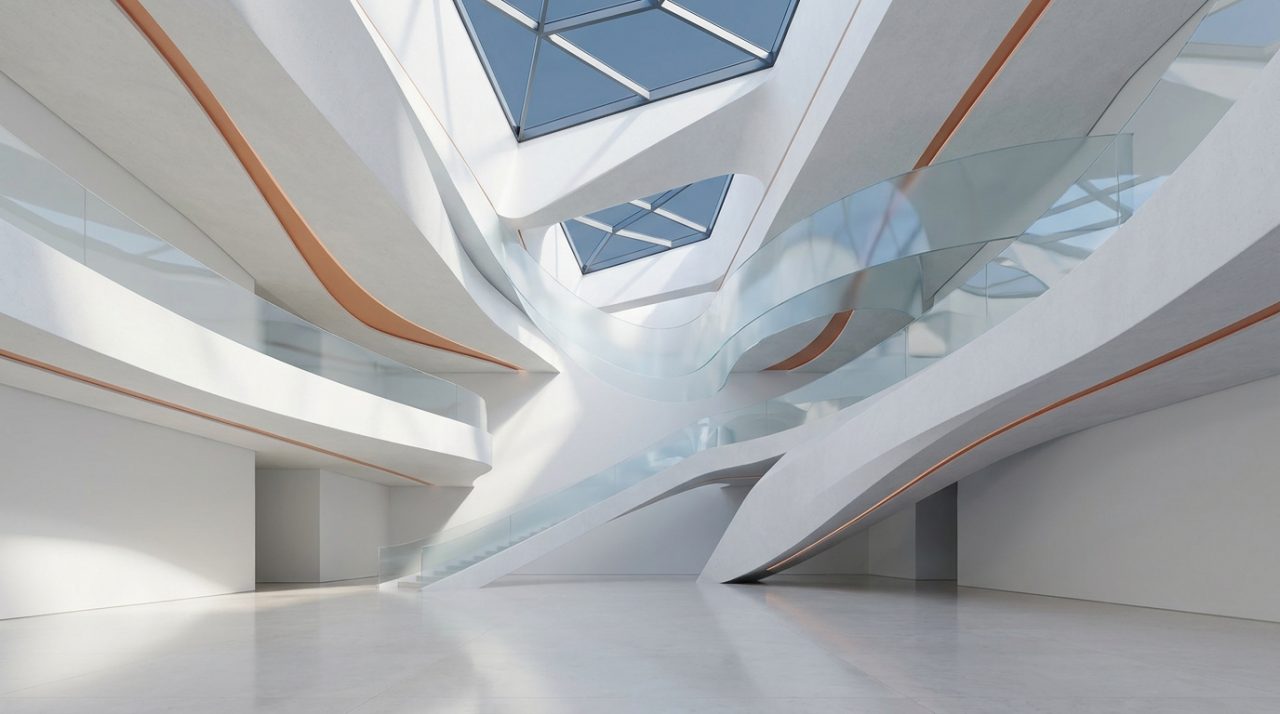
When architects enter virtual reality, the immediate temptation is to abandon every convention of physical construction: tilting floors forty-five degrees, dissolving walls into infinite voids, and spinning staircases through zero gravity. Yet real exhibition telemetry from museums and design festivals demonstrates a consistent lesson: visitors stay three times longer in surreal spaces that preserve a legible datum.
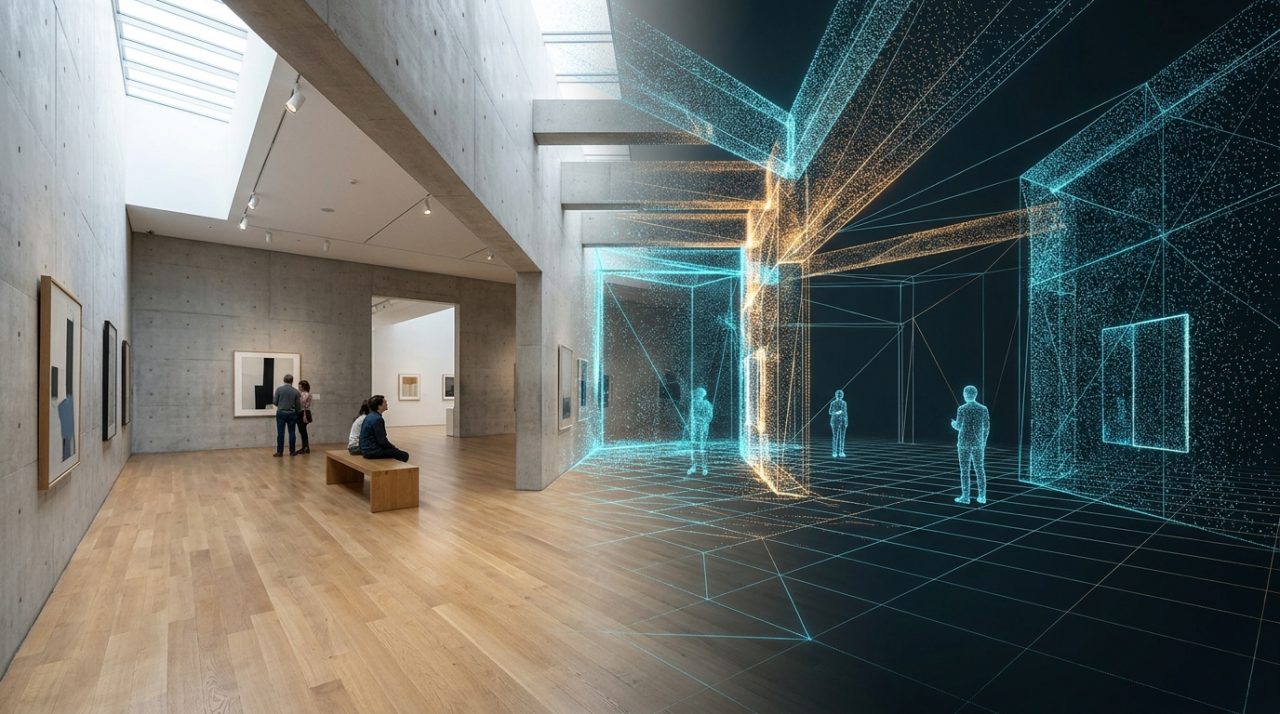
In Roman Hajtmanek's celebrated virtual art room for the IIDEXCanada showcase, surrealism emerged not from chaotic camera motion, but from the quiet uncanny tension between familiar architectural elements—a gallery floor, framed apertures, warm gallery lighting—and impossible spatial juxtapositions.
Four Architectural Anchors for Comfortable Immersive Worlds
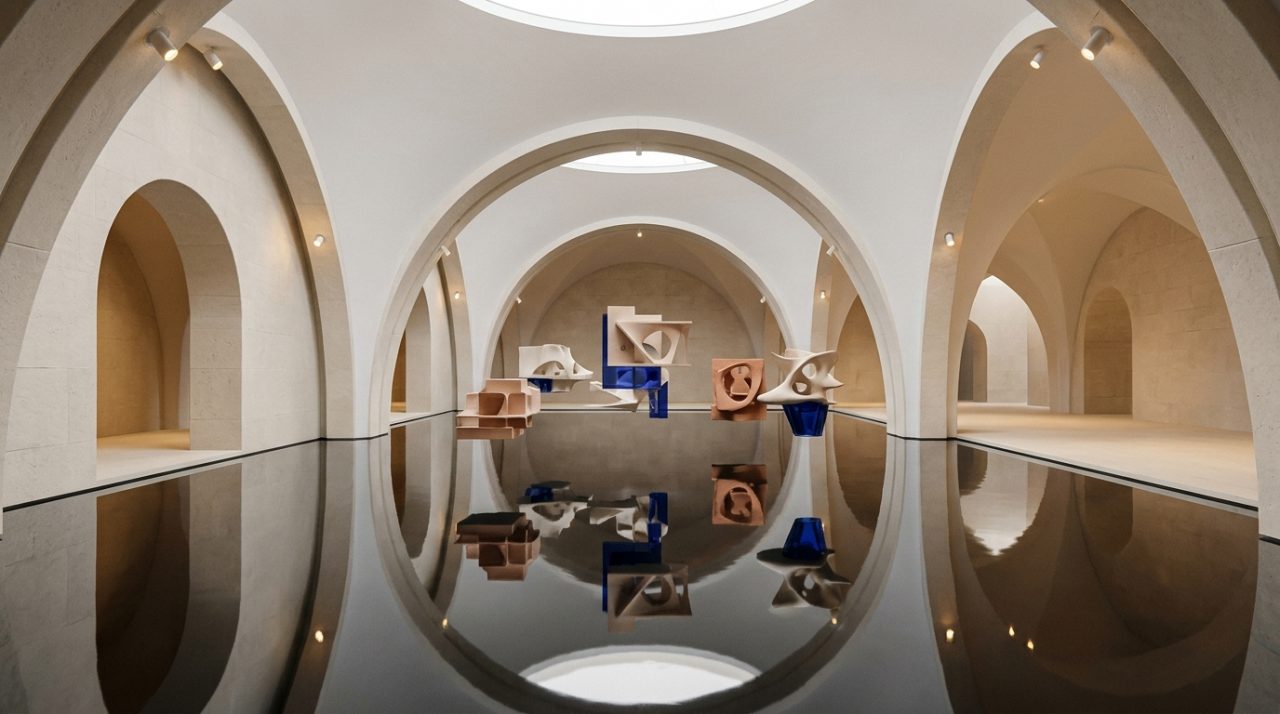
- Consistent Gravity Datum: Even when ceilings dissolve into cosmic or botanical vaults, keep primary walking planes level and grounded with subtle tactile textures such as travertine joints or water reflections.
- Calibrated Scale References: Handrails, plinth heights (90–105 cm), and doorway reveals immediately calibrate the viewer's body schema inside an otherwise unfamiliar fantasy volume.
- Directional Acoustic Reverb: Spatialized audio that shifts subtly from dry intimacy in alcoves to expansive decay inside a 24-meter rotunda reinforces architectural scale subconsciously.
- Controlled Luminance Transitions: Avoid sudden pure-white flashes between rooms; step exposure gradually through shaded vestibule portals.
Great virtual architecture respects human biology precisely so the imagination can travel further without fatigue.