The End of the Frozen Rendering
For decades, speculative architecture competitions operated like glossy snapshots frozen on opening day: spotless white concrete, immaculate blue skies, and zero evidence of weathering or programmatic change. When generative AI tools made producing dramatic single-frame architectural fantasies effortless, the global design community confronted a vital question: what makes a speculative project genuinely rigorous now?
Landmark 2026 challenges—exemplified by CartesianForms: Architecture Reimagined—answered by introducing deep time as the primary design constraint. Participants choose a real 50×50-meter plot anywhere on earth and architect its metamorphosis across three distinct eras: Inherit (2030), Alter (2055), and Pass On (2080).
How Temporal Speculation Elevates Fantasy Projects
Adding fifty years of lifecycle pressure immediately separates shallow visual novelty from enduring spatial invention:
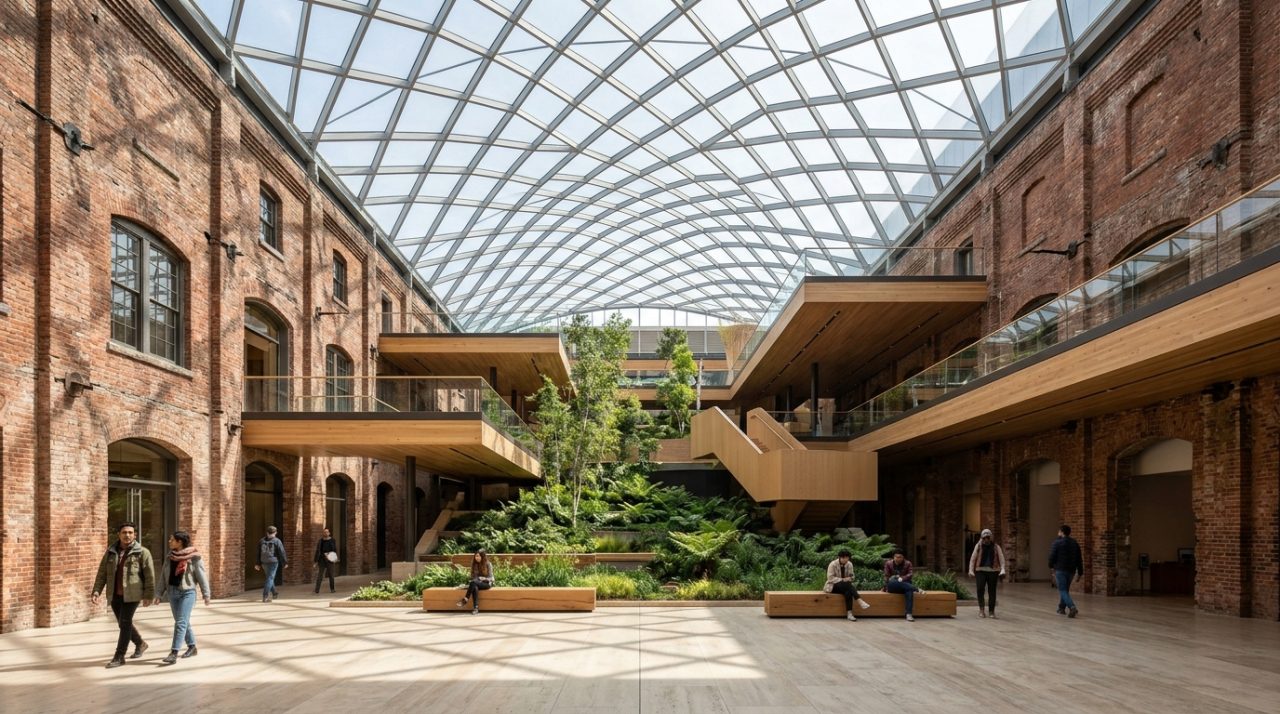
- 2030 (Inherit): Designers diagnose existing structural bones—a decommissioned brick rail shed in Toronto, a coastal concrete pier, or an underused office podium—and introduce reversible timber and glass insertions.
- 2055 (Alter): Rising summer heat loads, new mobility modes, and shifting civic rituals demand that facade louvers, indoor microclimates, and acoustic partitions reconfigure without demolition.
- 2080 (Pass On): The building becomes a material bank and ecological host, leaving behind durable civic stone plinths and disassemblable structural joints for generations not yet born.
"True fantasy architecture is not an escape from reality—it is a rehearsal space where society tests bold spatial futures before concrete is ever poured."
By pairing AI-assisted scenario exploration with disciplined section drawings and lifecycle tectonics, speculative briefs have reclaimed their rightful role as architecture's most vital research laboratory.