
Fixing the Broken Town-Hall Feedback Loop
Anyone who has led a waterfront revitalization or public library competition in Canada knows the frustration of traditional community consultations: hundreds of earnest sticky notes and online comments are collected, condensed into a generic summary slide, and rarely visibly connected to the final architectural massing.
Traceable Synthesis Paired With Real-Time Visual Trade-Offs
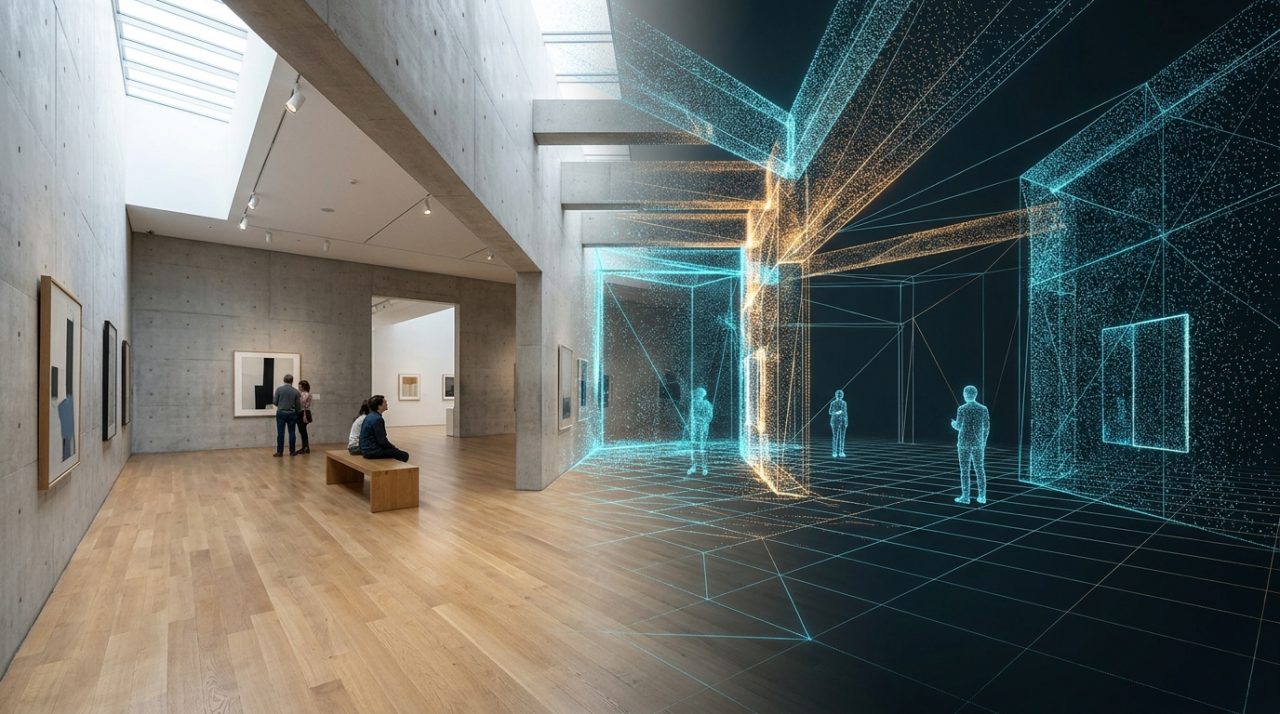
In 2026, municipal planning labs are pairing structured language models with real-time spatial twins to make public participation genuinely legible:
- Clustered Spatial Priorities: Natural-language synthesis groups thousands of multilingual resident submissions into verifiable spatial constraints—such as wind protection along winter walkways, shaded summer seating, or barrier-free plaza slopes—each linked back to anonymized source quotes.
- Live Trade-Off Visualization: Inside neighbourhood exhibition booths, residents can toggle proposed height distributions or courtyard setbacks and immediately see resulting winter shadow studies and affordable floor-area impacts.
- Human Curatorial Accountability: Architects remain publicly accountable for reconciling competing desires into dignified civic form—using AI to widen listening, never to outsource public ethics.